
Business

US Unemployment Claims Fall to 214,000, Remain at Historically Healthy Levels
The number of Americans applying for unemployment benefits fell by 10,000 to 214,000 for the week ending December 20, according to the Labor Department. This is below the forecast of 232,000 new applications by analysts surveyed by FactSet. Despite some signs of a weakening labor market, unemployment claims remain at historically healthy levels. The weekly report was released a day early due to the Christmas holiday. Applications for unemployment aid are seen as a proxy for layoffs and are a close indicator of the job market's health. The US gained 64,000 jobs in November, but lost 105,000 in October, largely due to a drop in federal workers. The unemployment rate rose to 4.6% in November, the highest since 2021. Hiring has lost momentum, hindered by uncertainty over President Donald Trump's tariffs and the effects of high interest rates set by the Fed in 2022 and 2023. The four-week average of claims fell by 750 to 216,750, and the total number of Americans filing for jobless benefits rose by 38,000 to 1.92 million. Companies such as UPS, General Motors, Amazon, and Verizon have announced job cuts, but these reductions may take months to appear in government data. The Federal Reserve recently trimmed its benchmark lending rate, citing concerns that the job market is weaker than it appears.
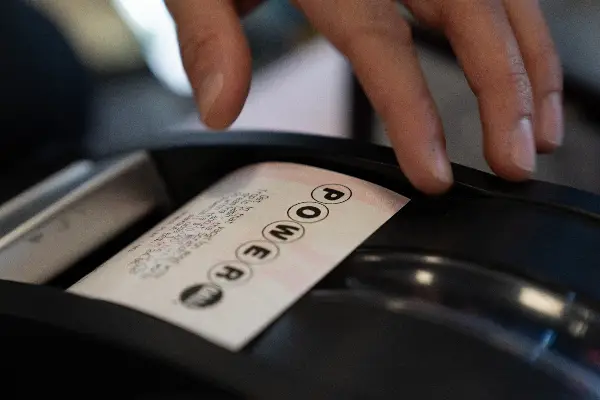
Powerball's $1.7 Billion Jackpot Up for Grabs on Christmas Eve
A Christmas Eve Powerball drawing could bring unprecedented holiday cheer, with a record $1.7 billion prize on the line. This jackpot, the fourth-largest in U.S. history, comes after 46 consecutive draws without a winner. The last jackpot winner was on September 6, and the long odds have driven interest in the game. The odds of winning are 1 in 292.2 million, which were made tougher in 2015 to create larger jackpots. Despite the low chances, millions of players are hoping to cash in on the massive prize. The winning ticket must be purchased in one of the 45 states, Washington, D.C., Puerto Rico, or the U.S. Virgin Islands, where the game is played. Players must be at least 18 years old, although some states have higher age requirements. The jackpot has a cash value of $781.3 million, and winners can choose to receive the prize through an annuity or a lump sum. While the top prize is the main attraction, there are also smaller prizes available, ranging from a few dollars to $2 million. Lottery officials are encouraging players to dream big, with the New Hampshire Lottery's executive director, Charlie McIntyre, saying, "Just think of the stories you can tell for generations to come about the year you woke up a billionaire on Christmas." With the drawing set to take place on Christmas Eve, millions of players are holding out hope that they will be the lucky winner of the massive jackpot.

US Delays Tariffs on China's Chip Industry Until 2027
The Trump administration has concluded that China's policies to dominate the semiconductor industry are unfair and will impose tariffs, but the implementation will be delayed until June 23, 2027. A year-long investigation by the US Trade Representative (USTR) found that China's targeting of semiconductors is "unreasonable and burdens or restricts US commerce." The investigation, undertaken through Section 301 of the Trade Act of 1974, determined that China has employed aggressive and non-market policies to achieve dominance in the sector. The USTR probe found that China's policies have included massive and persistent state support of private actors and wage-suppressing labor practices. The current tariff level of zero will be increased to a rate to be announced not fewer than 30 days prior to the implementation date. Beijing has opposed the move, accusing Washington of abusing tariffs to suppress Chinese industries and disrupting the global supply chain. The decision to delay the tariffs for 18 months was not explained by the USTR. The Trump administration has been known to use tariffs as a policy tool, imposing levies on steel, autos, and other items. The US and China had previously reached a broad truce after a major escalation in the spring. The delayed tariffs are seen as a significant development in the ongoing trade tensions between the two countries.

Justice Department Reaches Proposed Consent Decree with LivCor to Resolve Anticompetitive Practices Claims
The Justice Department's Antitrust Division has filed a proposed consent decree with LivCor, LLC, a Blackstone portfolio company, to resolve claims of algorithmic coordination and information sharing in rental markets. The decree would prohibit LivCor from using anticompetitive algorithms and exchanging competitively sensitive data with competitors. This action is part of an ongoing enforcement effort in the Middle District of North Carolina, which has already resulted in proposed consent decrees against RealPage, Inc., Cortland Management, LLC, and Greystar Management Services, LLC. The complaint alleges that LivCor and other landlords shared competitively sensitive data to generate pricing recommendations using RealPage's algorithms, which included anticompetitive rules that aligned their pricing. The proposed consent decree would require LivCor to refrain from using such algorithms, sharing sensitive information with competitors, and attending RealPage-hosted meetings with competing landlords. LivCor would also be required to cooperate with the United States' claims against other defendants. The proposed settlement will be published in the Federal Register, and interested parties can submit written comments within 60 days. The U.S. District Court for the Middle District of North Carolina may enter the final judgment after the public comment period. Assistant Attorney General Abigail Slater stated that the Trump-Vance Administration is committed to protecting renters from the harms caused by competitors sharing sensitive information or aligning prices.
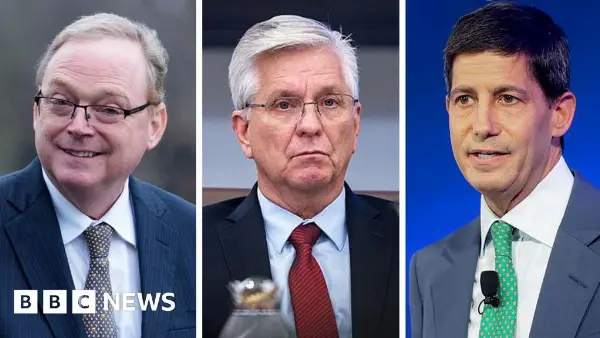
Trump to Name New Federal Reserve Chairman Amidst Pressure and Controversy
The search for a new leader of the US central bank is nearing its end, with US President Donald Trump expected to name a replacement for Jerome Powell in the coming weeks. The new chairman will face a challenging environment, with the bank dealing with political pressure and internal disagreements over interest rates. Trump has made it clear that he wants lower borrowing costs, raising concerns about the independence of the Fed. The frontrunners for the top job include Kevin Hassett, a Trump loyalist and former chair of the White House Council of Economic Advisers, Kevin Warsh, a former Fed governor and critic of the central bank, and Christopher Waller, a current Fed governor. Hassett is seen as a top contender, but his allegiance to Trump has raised questions about his ability to act independently. Warsh, on the other hand, has been an outspoken critic of the Fed and has called for "regime change". Waller, who recently met with Trump, is emerging as a more sensible choice, with some seeing him as a way to open up two spots on the Fed board for Trump to fill next year. Other names floated include BlackRock executive Rick Reider and Treasury Secretary Scott Bessent. The final decision will have significant implications for the US economy and the Federal Reserve's independence.

US Economy Grows at Fastest Pace in Two Years, but Americans Remain Pessimistic
The US economy is growing at its fastest pace in two years, with a gross domestic product (GDP) of 4.3% in the third quarter. However, despite this growth, many Americans remain pessimistic about the economy. The K-shaped economy, where higher-income consumers drive growth while lower- and middle-income Americans struggle, continues to be a concern. Consumer spending increased in the third quarter, but this was likely driven by higher-income consumers who have benefited from record-high real estate values and stock returns. Inflation remains a concern, with prices rising 2.7% in November, higher than the 1.7% average annual inflation rate before the pandemic. While some essentials like eggs and milk have decreased in price, others like electricity, natural gas, and ground beef have increased. Paychecks have also increased, but not enough to keep up with the cost of living, especially for middle- and lower-income households. Job security is also a concern, with the unemployment rate at a four-year high of 4.6% and consumers worried about finding a job. The share of consumers who believe job openings will be more plentiful in the next six months has fallen to the lowest level in four years. Businesses have slowed hiring due to advancements in artificial intelligence and uncertainty over trade policies. Overall, while GDP growth is strong, it has not translated to improved job security, higher paychecks, or lower inflation, leaving many Americans feeling pessimistic about the economy.
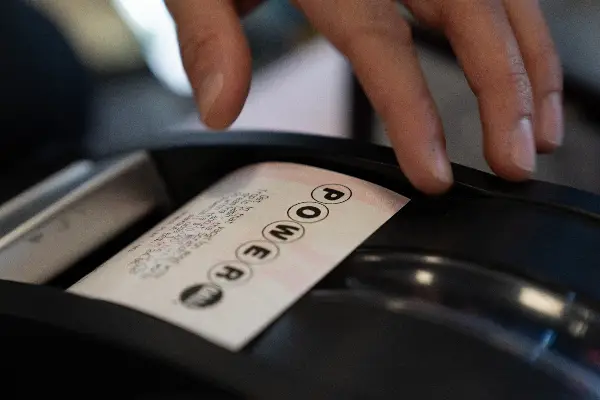
Powerball Jackpot Grows to $1.7 Billion After No Winner Found
The Powerball lottery has created several new millionaires, but no billionaire winner, after the 46th consecutive drawing yielded no winner who matched all six numbers. Nine tickets matched five of the six winning numbers, missing only the red "Powerball" number, with each ticket worth $1 million before taxes. The winning numbers were 3, 18, 36, 41, 54, and red Powerball 7. The $1-million tickets were sold in Florida, Georgia, Illinois, New York, Ohio, Pennsylvania, Tennessee, and Wisconsin. As no one matched all six numbers, the jackpot will grow to an estimated $1.7 billion, scheduled to be drawn on Christmas Eve. This will be the 47th Powerball drawing in a row looking for a jackpot winner, a record. The game is played in 45 states, Washington D.C., Puerto Rico, and the U.S. Virgin Islands, with odds of winning the jackpot at 1 in 292.2 million. The three largest jackpots in U.S. lottery history were also from Powerball, with the largest being $2.04 billion in November 2022. The growing jackpot has inspired excitement and anticipation, with the next drawing scheduled for Christmas Eve. The Powerball game officials hope that the growing jackpot will bring joy and good will to all participants. With the jackpot continuing to grow, players are eagerly awaiting the next drawing, hoping to become the lucky winner of the massive prize.

Waymo Autonomous Vehicles Navigate Widespread PG&E Outage in San Francisco
A recent PG&E outage in San Francisco presented a unique challenge for Waymo's autonomous vehicles. The outage, which affected nearly one-third of the city, resulted in widespread gridlock and disabled traffic lights. Waymo's vehicles, designed to handle dark traffic signals as four-way stops, successfully navigated over 7,000 dark signals but experienced delays due to confirmation checks. The company temporarily paused its service in the area to avoid adding to the congestion and obstructing emergency vehicles. Waymo is now refining its protocols to better handle such situations, including integrating more information about outages and updating emergency preparedness and response plans. The company is taking immediate steps to improve its response to similar events, including rolling out fleet-wide updates to provide more context about regional outages and expanding its first responder engagement. With over 100 million miles of fully autonomous driving experience, Waymo remains committed to making streets safer and is proud to continue serving San Francisco residents and visitors. Waymo's mission is to be the world's most trusted driver, and the company is analyzing the event to integrate lessons learned. The company will improve its emergency response protocols and coordinate with Mayor Lurie's team to identify areas of greater collaboration in emergency preparedness plans. To date, Waymo has trained over 25,000 first responders on how to interact with its vehicles, and the company will continue updating its first responder training based on learnings from this and other widespread events.

CPP Investments to Acquire Indirect Minority Stake in Castrol for $1.05 Billion
Canada Pension Plan Investment Board (CPP Investments) has announced an agreement to acquire an indirect non-controlling interest in Castrol, a global leader in lubricants, alongside Stonepeak, a leading alternative investment firm. The transaction values Castrol at an enterprise value of approximately $10.1 billion. CPP Investments will invest up to $1.05 billion in support of the transaction. Castrol is one of the largest lubricants providers globally, serving consumer automotive customers, as well as commercial and industrial end markets. The company manufactures and markets engine oils, industrial fluids, and greases through approximately 20 blending plants and more than 100 third-party facilities and warehouses worldwide. The investment aligns with CPP Investments' strategy of backing businesses that are essential to the energy system. Castrol's strong market position and diversified growth opportunities are expected to deliver attractive risk-adjusted returns for the CPP Fund. The transaction is expected to close by the end of 2026, subject to customary regulatory approvals. Stonepeak is acquiring a majority controlling interest in Castrol from BP p.l.c. BP will retain a minority interest in the company. The partnership between CPP Investments and Stonepeak will support Castrol's next phase of growth, with a focus on emerging applications such as electric vehicles and data centers.

Stonepeak to Acquire Majority Stake in Castrol from bp for $10.1 Billion
Stonepeak, a leading alternative investment firm, has announced an agreement to acquire a majority controlling interest in Castrol, a global leader in lubricants, from bp in a transaction valued at approximately $10.1 billion. bp will retain a 35% minority interest in Castrol. The transaction is expected to close by the end of 2026, subject to customary regulatory approvals. Castrol is one of the largest lubricants providers globally, serving consumer automotive customers, as well as commercial and industrial end markets. The company manufactures and markets engine oils, industrial fluids, and greases through approximately 20 blending plants and more than 100 third-party facilities and warehouses worldwide. Canada Pension Plan Investment Board will invest up to $1.05 billion in support of the transaction, resulting in an indirect stake in Castrol. The investment is seen as a strategic move to support Castrol's next phase of growth, with Stonepeak's capital support and energy sector expertise expected to be additive in helping the business innovate and grow. The transaction reflects the commitment to investing in the future and creating new opportunities for growth and success at Castrol. Stonepeak's investment in Castrol aligns with its strategy of backing businesses that are essential to the energy system, and the company believes Castrol's strong market position and diversified growth opportunities will deliver attractive risk-adjusted returns.

Gold Prices Expected to Continue Rally in 2026
Gold prices have breached successive record highs in 2025, marking their best annual performance since 1979. The metal's rally has been driven by a weaker dollar, policy uncertainty, and central bank demand, leading to a structural shift in gold markets. According to analysts, gold's bull run may extend into 2026 even without a major crisis. The spot gold price has surged past $4,500 per troy ounce and is trading around $4,490 per ounce, up more than 70% so far this year. Analysts believe that gold could stay strong due to the rally drivers being structural, not purely reactive. Farah Mourad, a market analyst at IG, notes that gold "doesn't need a crisis to rise in 2026" and that it "simply needs the world to behave the way it has been: elevated debt, policy uncertainty, fragile alliances, and a dollar that no longer dominates as it once did." Major banks expect gold to trade in the $4,500 to $4,700 per ounce range next year, with potential upside toward $5,000 if macro conditions persist. Monetary policy could also provide additional support, with inflation proving sticky and growth uneven, leading to expectations of lower interest rates. However, there are risks, including a stronger-than-expected rebound in the US dollar or a sustained shift back toward risk-on sentiment. Despite these risks, investor positioning in gold remains relatively balanced, suggesting the trade is not yet overcrowded. Wall Street giant Goldman Sachs predicts that gold prices will climb to $4,900 per ounce by December 2026.
Asian Markets Advance After S&P 500 Hits Record High
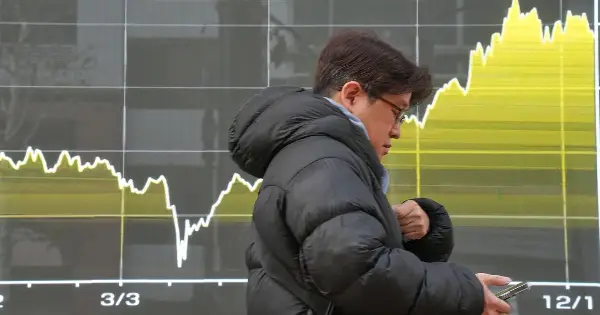
Asian markets are mostly higher after the U.S. benchmark S&P 500 closed at another record high. The S&P 500 rose 0.5% on Tuesday, driven by big gains for tech stocks, despite most stocks in the index falling. This follows a report that the U.S. economy grew at a 4.3% annual rate in July to September, exceeding expectations. The U.S. government's first estimate of growth for the third quarter showed inflation remained high, with the personal consumption expenditures index climbing to a 2.8% annual pace. In Asian trading, Tokyo's Nikkei 225 was unchanged, while South Korea's Kospi slipped 0.1%. Hong Kong's Hang Seng gained 0.2%, and the Shanghai Composite index edged 0.2% higher. Australia's S&P/ASX 200 slipped nearly 0.4% before closing early due to Christmas Eve. Gold and silver extended their rally, with gold rising 0.4% to $4,525.50 per ounce and silver rising 1.8%. U.S. futures edged lower early Wednesday, ahead of the Christmas holiday. The Dow Jones Industrial Average added 0.2% to 48,442.41, while the Nasdaq composite rose 0.6% to 23,561.84 on Tuesday. Investors are betting the Fed will hold steady on interest rates at its January meeting, despite high inflation and shaky consumer confidence. The Labor Department will release its weekly data on applications for jobless benefits on Wednesday, which will be closely watched for signs of U.S. layoffs.

Tens of Thousands Flock to Beloved LA Grocer for Freshly Made Masa for Holiday Tamales
During the holiday season, tens of thousands of people visit Amapola Market in the Los Angeles area to buy freshly produced masa for making tamales, a cherished tradition for Latin American families. The market's masa is a staple ingredient for tamales, and many families gather to make them assembly-line style, filling dried corn husks with sweet and savory ingredients. Christina Chavarria, a customer, has already prepared almost 200 tamales but returned to the market for more masa, citing its perfect seasoning. Amapola Market's CEO, Rolando Pozos, calls this annual rush the "masa pilgrimage" and takes the responsibility of providing high-quality masa seriously. The market's customers travel from as far as Bakersfield, California, or Las Vegas, and many arrive before dawn to get in line. The market produces masa daily, starting at 3 a.m., and sells prepared masas for various types of tamales. Prices have remained stable for the third year in a row, which is crucial for families making hundreds of tamales at a time. For many families, including Melissa Perkins', Amapola's masa has been a part of their tradition for nearly 30 years. As the holiday season progresses, the market's employees work tirelessly to meet the demand, producing bags of masa as quickly as they sell out. The tradition of making tamales is being passed down to the younger generation, with many families involving their children and grandchildren in the process. For Mark Monroy, visiting Amapola Market is a yearly tradition that he is now passing on to his 9-year-old daughter Avery.

Federal Court Blocks Texas's App Store Accountability Act as Unconstitutional
A federal court has granted a preliminary injunction blocking Texas's App Store Accountability Act from being enforced. The law, set to take effect on January 1, 2026, was deemed likely to violate the First Amendment due to its vagueness, broad scope, and restraint on protected speech. The Computer & Communication Industry Association (CCIA) had sued the State of Texas over the law, which would have imposed age-verification, parental consent, and compelled speech requirements on app stores and developers. The court's decision prevents the law from taking effect, preserving the First Amendment rights of app stores, developers, parents, and younger internet users. According to Stephanie Joyce, Senior Vice President and Chief of Staff at CCIA, the order also protects parents' right to use their own judgment in safeguarding their children online. The CCIA had argued that the law was unconstitutional and would have significant implications for the tech industry. The preliminary injunction will remain in place until a final decision is made on the merits of the case. The CCIA has been actively involved in various other initiatives, including filing comments on Australia's proposed News Bargaining Incentive and releasing a report on expanding state online safety laws. The organization has also welcomed commitments to principled internet governance and responded to negotiations on a US-UK technology deal. The court's decision is a significant development in the ongoing debate over app store regulation and free speech. It highlights the importance of balancing online safety concerns with the need to protect constitutional rights. As the case moves forward, it will be closely watched by the tech industry and advocacy groups alike.

S&P 500 Sets Record Close Amid Modest Market Gains
The S&P 500 achieved a record close, just below a new intraday high, following surprisingly strong GDP data. This modest gain was led by stocks such as Nvidia (NVDA), Amazon.com (AMZN), and Google parent Alphabet (GOOGL), despite weak market breadth. Dow Jones futures edged lower overnight, along with S&P 500 futures and Nasdaq futures. The stock market rally has raised hopes for a Santa Claus rally, but there are risks involved. GE Aerospace is among 19 hot stocks that have been added to best stock lists, including the IBD 50 and IPO Leaders. Novo Nordisk's stock jumped after the FDA approved its Wegovy pill as the first-ever oral GLP-1 weight loss drug. The market's performance has been influenced by various factors, including the acquisition of clean energy firm Intersect by Google for $4.75 billion and Nvidia's testing of a key level amid China chip shipment news. Overall, the stock market is experiencing a mix of gains and losses, with some stocks reaching new highs and others facing challenges. The current market trend has led to discussions about the potential for a bull run in mutual funds and the performance of quantum computing stocks. Investors are closely watching the market, analyzing key stocks and industry trends to make informed decisions. As the market continues to evolve, investors are advised to stay informed and adapt to the changing landscape. With the help of exclusive stock lists, expert market analysis, and powerful tools, investors can navigate the market and make more informed decisions.

US Economy Grows at 4.3% Pace in Third Quarter, Exceeding Expectations
The US economy grew at a robust 4.3% annual pace in the third quarter, marking the strongest growth in two years. This exceeds the forecasted 3% growth, according to economists polled by FactSet. The growth in gross domestic product (GDP) was driven by an acceleration in consumer spending, an upswing in exports, and government outlays. Consumer spending continued to defy public concerns about the economy, with exports growing at an 8.8% rate and imports falling 4.7%. Inflation also ticked higher, with the personal consumption expenditures (PCE) index rising at a 2.8% annual pace, compared to 2.1% in the previous quarter. Core PCE, which excludes food and energy categories, grew 2.9%, above the Federal Reserve's annual inflation target of 2%. Despite the strong growth, economists expect GDP growth to slow in the fourth quarter due to the impact of the 43-day government shutdown. They predict the economy to grow at an annual rate of roughly 2% in the final three months of the year. The labor market remains a weak spot, with employment numbers showing a slowdown in hiring and the unemployment rate rising to 4.6% in November.

US Labels Chinese Chips an Economic Threat, Delays Tariff Impact Until 2027
The US Trade Representative Office has determined that China's drive for dominance in the semiconductor industry poses a direct threat to US commerce. The agency has implemented a tariff action on a wide range of Chinese semiconductors, with an initial rate of 0 percent. However, the rate is set to rise in 18 months, on June 23, 2027, to a higher level that will be announced 30 days before the deadline. This delayed timetable suggests that the move is intended to signal resolve and retain leverage over Beijing rather than deliver an immediate economic impact. The investigation, launched on December 23, 2024, found that China has employed "sweeping non-market policies" to capture global market share and displace foreign competitors. China's industrial plans target every major segment of the semiconductor supply chain, including fabrication, design, assembly, testing, and packaging. The US Trade Representative Office alleges that China's pursuit of dominance has severely disadvantaged US companies, workers, and the US economy, citing lost sales, reduced competition, and the creation of dangerous economic dependencies. The notice also alleged that China is willing to "weaponise dependencies" for economic coercion, citing recent export restrictions on critical minerals like gallium, germanium, and antimony, which are essential for chip production. Analysts believe that the delayed tariff implementation reflects an effort to preserve the trade truce with Beijing rather than build leverage through faster import duty escalation.
US GDP Growth Heavily Relies on AI Spending with Uncertain Returns
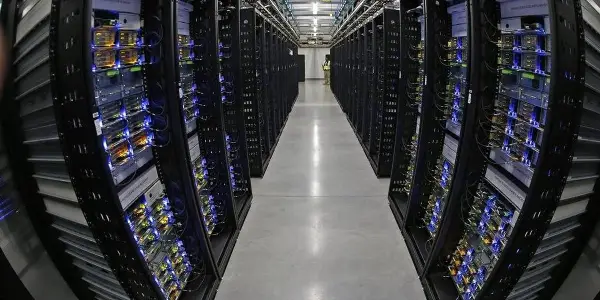
The US GDP grew 4.3% in Q3, surpassing the consensus estimate of 3.2% year-on-year. However, analysts are concerned that a significant portion of this growth is attributed to AI-related spending. According to Pantheon Macroeconomics, private fixed investment is only rising due to AI-related spending, while all other private fixed investment is in decline. Deutsche Bank notes that investment in AI-related sectors is critical to GDP growth, and without it, the US would be close to recession. The scale of capital expenditure (capex) investment in AI is substantial, with Bank of America estimating that AI capex from five "hyperscalers" (Alphabet, Meta, Microsoft, Amazon, and Oracle) will total $399 billion this year and rise to over $600 billion in the future. This investment will likely be funded by debt, which is already breaking records. Deutsche Bank warns that hyperscalers will spend a cumulative $4 trillion on AI data centers through 2030, with no guaranteed return. The companies are chasing $1 trillion in incremental revenues over the next five years, with $500 billion from cloud services, $400 billion from digital advertising spending, and $200 billion from AI subscriptions. Historically, each dollar of capex has generated an average of $0.90 incremental revenue and $0.42 of incremental EBITDA in the following year. However, the uncertainty of returns on AI investments raises concerns about the sustainability of this growth.
S&P 500 and Nasdaq Composite Extend Winning Streaks
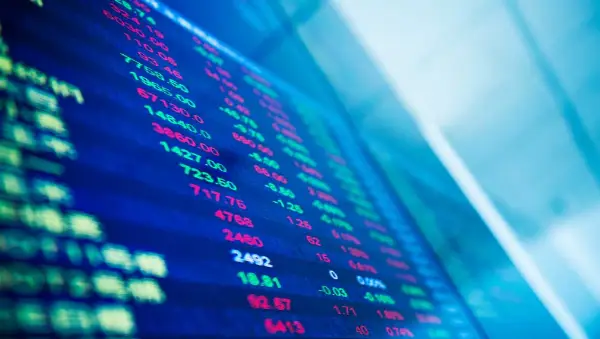
The S&P 500 and Nasdaq composite extended their winning streaks to four sessions on Tuesday, raising hopes for a Santa Claus rally. The Nasdaq composite led the way, rising 0.6%, while the S&P 500 gained, setting a record close. Nvidia made a bullish technical move, and mining and metal stocks were among the top performers in the MarketSurge Growth 250. The market's gains were driven by a range of factors, including the FDA's approval of Novo Nordisk's Wegovy pill as the first-ever oral GLP-1 weight loss drug. This news sent Novo Nordisk's stock jumping. GE Aerospace was also among the top performers, leading 19 hot stocks onto best stock lists like the IBD 50 and IPO Leaders. Despite the positive momentum, there are risks to the market's rally, and investors are advised to remain cautious. Schwab broke out, adding to the market's gains. The S&P 500's record close is a significant milestone, and investors will be watching to see if the market can sustain its momentum in the coming days. Overall, the market's gains on Tuesday were a positive sign, but investors should remain aware of the potential risks and uncertainties that could impact the market's performance. The stock market's ability to extend its winning streak is a testament to the strength of the underlying trends and the resilience of investors. As the market continues to evolve, investors will need to stay informed and adapt to changing conditions to make the most of the opportunities available.

Larry Ellison's $40 Billion Pledge to Paramount Deal Reflects Shift in Billionaire Philanthropy
Larry Ellison, the 81-year-old Oracle co-founder, has pledged $40 billion to support his son's Paramount deal, marking a significant shift in billionaire philanthropy. This move is emblematic of "philanthropic capitalism," where vast personal fortunes are deployed through markets rather than traditional charitable donations. Ellison's commitment is a personal guarantee of over $40 billion in equity and debt support for Paramount's bid, effectively turning a hostile takeover into a family-backed capital project. This approach differs from traditional philanthropy, as seen in the giving styles of Warren Buffett and Bill Gates, and is more akin to the strategies of Mark Zuckerberg and Priscilla Chan's Chan Zuckerberg Initiative. Ellison's move is part of a growing trend where billionaires are using their wealth to reshape industries and "fix" big systems, rather than simply donating to charities. The implications of this shift are significant, raising questions about power and accountability. When billions of dollars are pledged to underpin a media merger, who gets to decide what counts as a public benefit? This approach also highlights the limitations of traditional philanthropy, which may be seen as too incremental for problems perceived as structural and technological. Ellison's $40 billion bet on Paramount may ultimately be judged as a savvy business maneuver or a bold experiment in legacy-building. However, it already has a clear place in the emerging playbook of billionaire giving, where philanthropy moves off the foundation ledger and onto the deal sheet, and capitalism itself becomes the main instrument of charity.